


From global trust and resilient networks to new partnerships, shared ambitions and a touch of eduroam fame, APAN62 brought the Asia-Pacific R&E networking community together with peers from around the world – strengthening connections, exchanging ideas and turning conversations into action.
APAN events have always felt a little like family gatherings to me. The room is full of familiar faces, conversations pick up where they left off – and you somehow leave with more than you came with, including a substantial collection of tea gifted from across the region.
This time, my GÉANT colleague Klaas Wierenga and I left the European summer behind for a wintry – and refreshingly green – Auckland, New Zealand, where more than 200 experts had gathered for APAN62 in the second week of August.
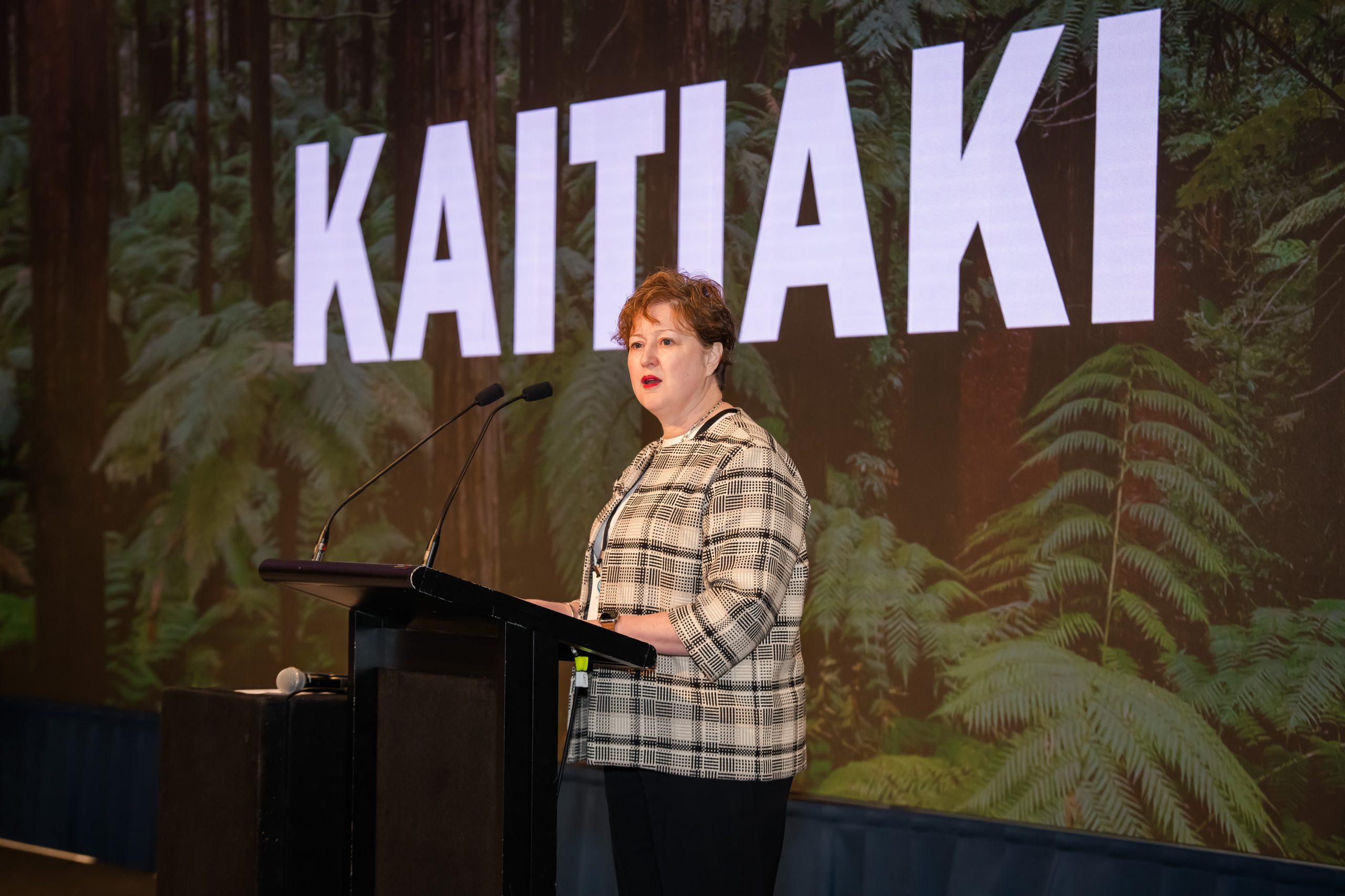
And what a welcome! Hosted by the local NREN REANNZ, the conference opened with a Mihi Whakatau, a traditional Māori welcome, including a powerful haka experience – a memorable start to a week that was ultimately all about connection, community and collaboration.
Identity & Access Management – and a little celebrity
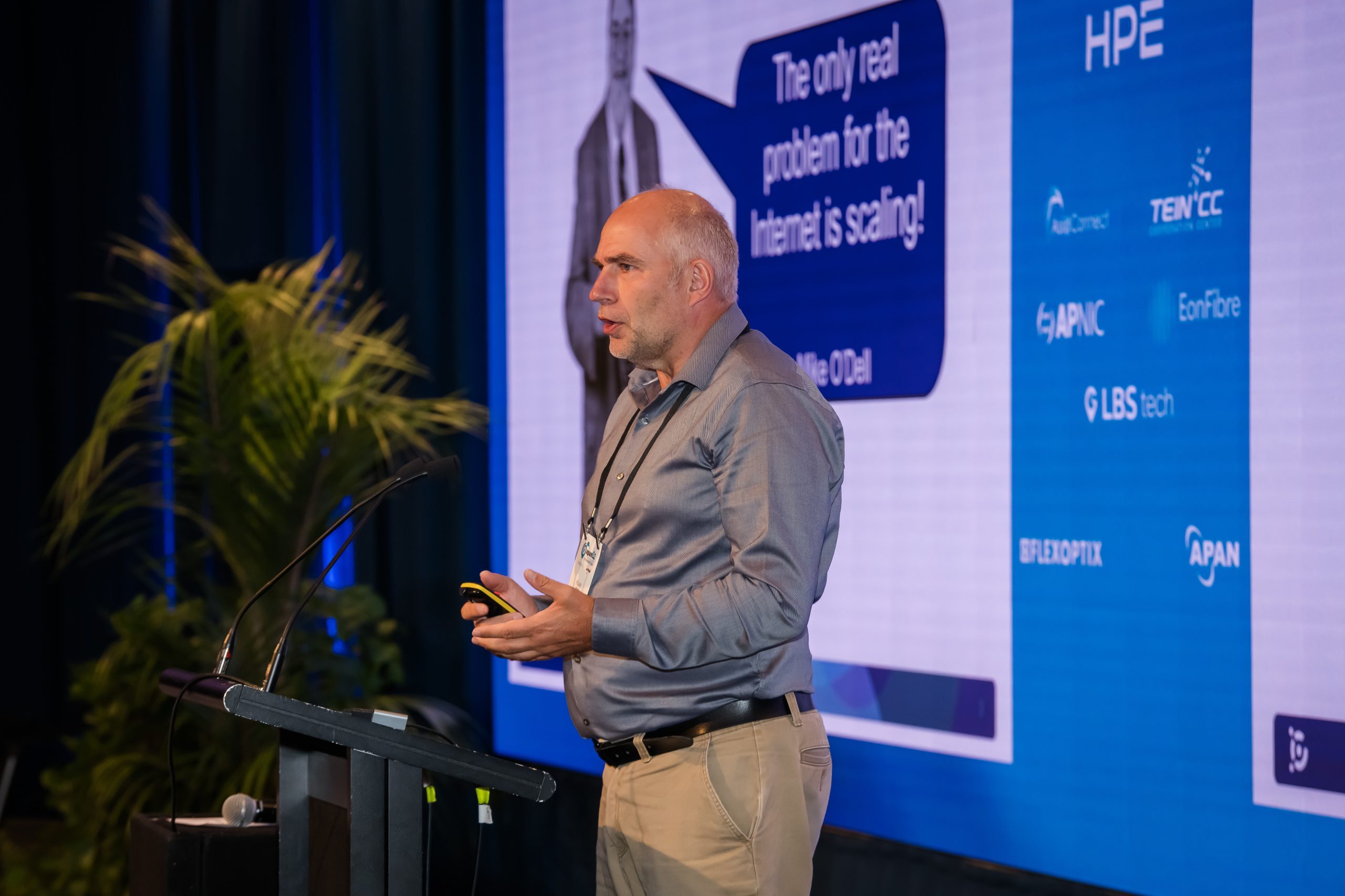
Klaas took to the stage during the opening ceremony with a keynote on a subject close to GÉANT’s heart: building privacy and trust into digital infrastructure from the outset, rather than bolting them on afterwards. Services such as eduroam and eduGAIN have created a global trust fabric supporting R&E around the world. But the demands on that fabric continue to evolve. Student mobility, cross-border scientific collaboration and interconnected HPC facilities are creating new identity and access requirements – and Klaas explored how GÉANT and the wider community are responding.
Those conversations continued well beyond the keynote. Klaas met with REANNZ experts, New Zealand universities and Identity & Access Management colleagues to explore the potential of core AAI for HPC use cases, alongside growing interest in connecting New Zealand to MyAccessID. Materials have been exchanged and, importantly, the conversations will continue.
And then came the perks of being the father of eduroam. Klaas got a taste of celebrity life, with national radio airtime (which you can listen back to), photo requests and even a few autographs to sign. Not your average week in Identity & Access Management…
From backup to resilience by design
Network and intercontinental connectivity resilience was another strong thread running through the week – and one particularly close to my own work.
Discussions during the Asia Pacific Europe Ring (AER) and Asia Pacific Oceania Network (APOnet) Joint Steering Group meeting demonstrated the very value of the backup arrangements we have built together. When disruption strikes – with cable cuts seemingly the order of the day – these relationships and agreements help keep services running.
But true resilience cannot stop at backup. I joined a panel on network resilience where I argued for a shift towards something more ambitious: globally coordinated infrastructure. If we coordinate globally, plan together and invest strategically, we can build a global R&E network that is far more resilient than anything individual NRENs or regions could achieve alone. In an increasingly interconnected world, resilience needs to be interconnected too.
That spirit translated into concrete action in Auckland, with GÉANT and CERNET signing a peering agreement – another step towards strengthening connectivity between the European and Chinese R&E communities.
Asi@Connect: a new chapter begins
APAN62 also marked an important milestone for Asi@Connect, with the first round of governance meetings for the new phase of the EU co-funded project.
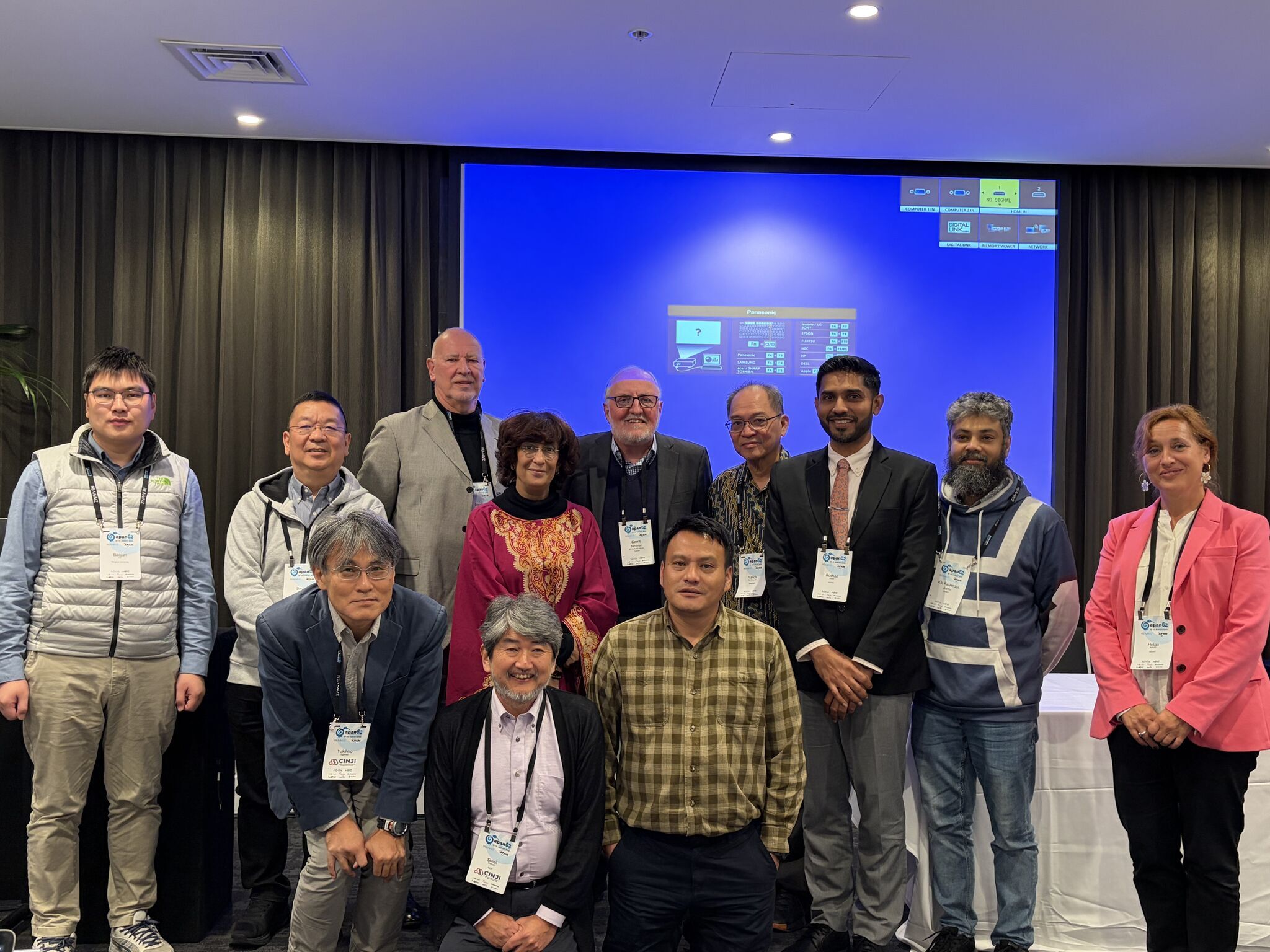
For me, this was also a moment of personal pride. I have been fortunate to be part of this journey, and seeing the project enter its next phase was a reminder of just how far we have come. But milestones are only useful if they propel us forward. Now the real work begins: implementing what we have set out to achieve and moving another step closer to stronger and more sustainable NRENs across the Asia-Pacific region.
There were opportunities to open other doors, too. I brought NREN colleagues across Asia together with GÉANT’s UK member Jisc to explore transnational education (TNE) opportunities – exactly the kind of conversation that APAN makes possible by putting the right people in the same room.
Why APAN matters
For all the sessions, agreements and technical discussions, APAN’s real value is perhaps much simpler: it gets people in the room.
People separated by thousands of miles discover that they are tackling many of the same problems. Ideas move between regions. Technical discussions become partnerships. Existing relationships get stronger and new ones begin – sometimes over a conference table, sometimes over one of the many cups of tea generously offered by friends from across the region. That combination of professional collaboration and genuine community is why APAN feels less like just another conference and more like a gathering of a geographically dispersed family.
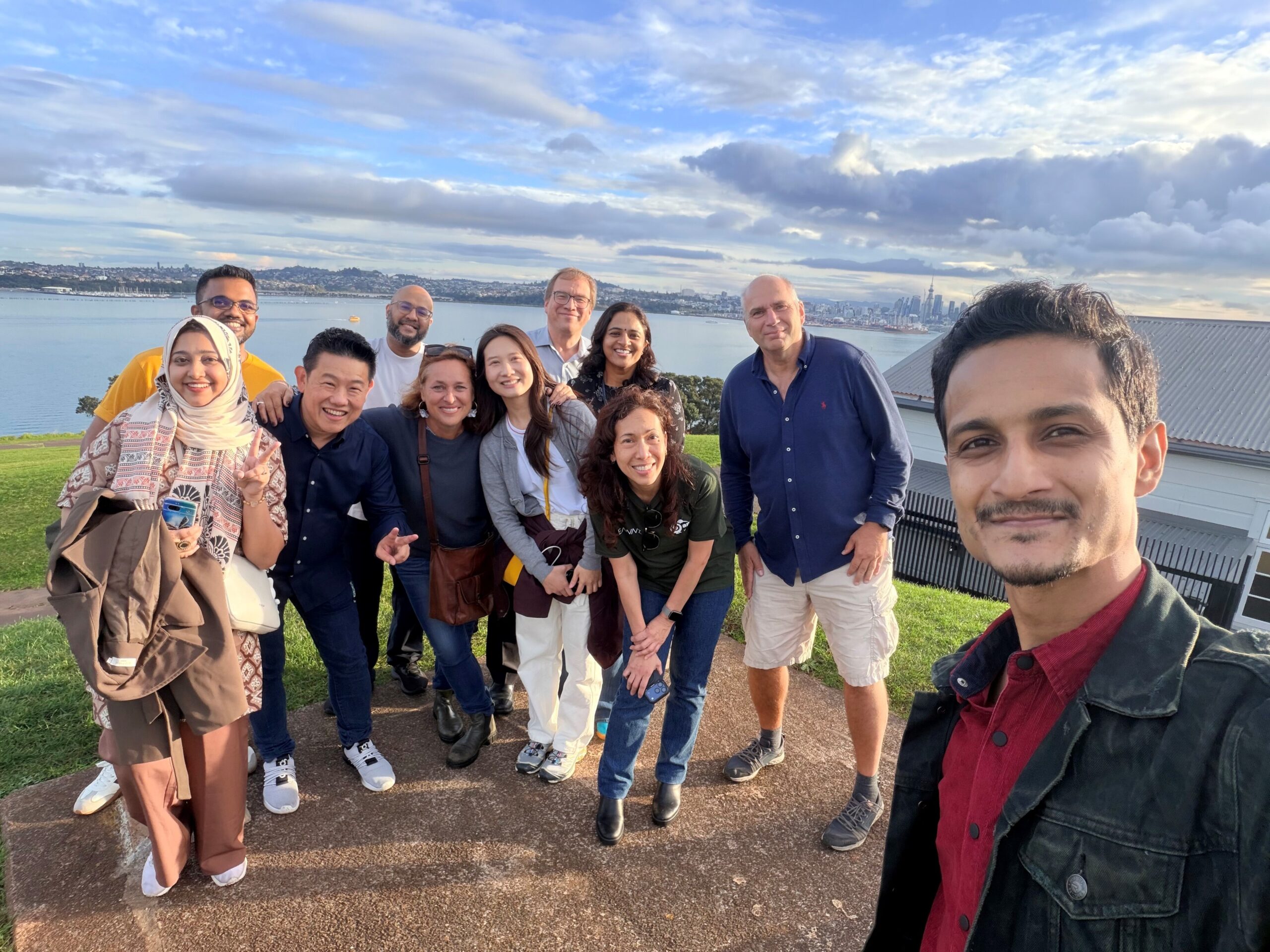
And after a week of keynotes, governance meetings, resilience debates, agreements and conversations? Amber McEwen, CEO of REANNZ, sent us up a hill… Apparently, the New Zealand approach to post-conference unwinding involves a little more elevation than expected. But after a week spent thinking about global connections, perhaps getting some perspective from the top was exactly the right way to finish.
Or, as a Māori proverb puts it: Ko te pae tawhiti whāia kia tata, ko te pae tata whakamaua kia tina – seek out distant horizons and cherish those you attain.